Herringbone Pattern Review for Boutique Apparel
As an experienced embroidery designer who has spent countless hours curating collections for boutique brands and handmade shops, I am always on the lookout for designs that elevate a simple garment into a statement piece. Recently, I evaluated the Herringbone Pattern from Creative Fabrica to see if it would fit into my upcoming sweatshirt and hoodie collection. The product description highlights its perfectly symmetric nature and suggests it is ideal for decorating favorite pieces of cloth or home accessories. After running several test stitches and visualizing this design on various garments, I have found that Herringbone Pattern offers a sophisticated yet versatile aesthetic that could be a game-changer for Etsy sellers and small clothing brands looking to expand their inventory.
The Visual Personality of Herringbone Pattern
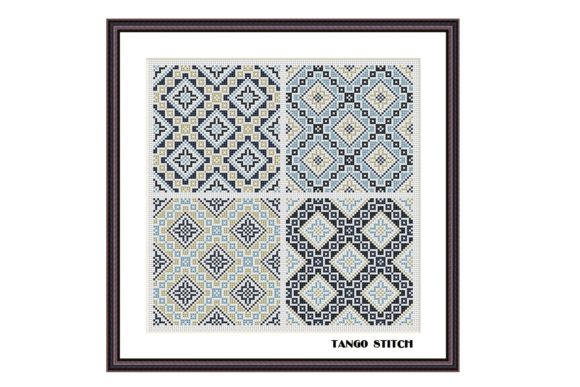
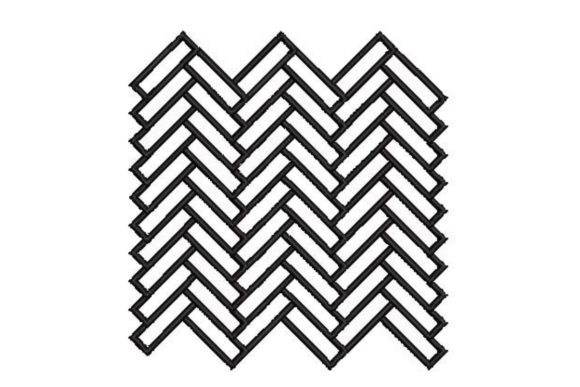
When you first lay eyes on the Herringbone Pattern, the immediate impression is one of structured elegance. Unlike many trendy motifs that feel fleeting, this machine embroidery design possesses a timeless quality that bridges the gap between rustic charm and modern minimalism. The symmetry mentioned in the product details is crucial; it provides a sense of balance that looks premium whether placed on a chest pocket or centered on the back of an oversized hoodie.
The stitch density appears substantial enough to create a tactile texture without being overly stiff. This makes the design feel grounded and high-quality, which is essential for building buyer trust in your finished products. Whether you are aiming for a feminine, playful look or something more bold and graphic, Herringbone Pattern adapts well. It feels like a classic element that can anchor a collection, adding a layer of visual consistency that helps customers recognize your brand identity across different items.
Ideas for Sweatshirt and Hoodie Collections
In the world of custom apparel, sweatshirts and hoodies remain some of the most popular items for digital sellers and crafters. I envision the Herringbone Pattern performing exceptionally well on neutral-colored sweatshirts, where the clean lines of the pattern can stand out against a soft canvas. Imagine a heather gray hoodie with the design embroidered on the left chest; it adds a touch of subtle sophistication that elevates the garment beyond basic streetwear.
For pastel hoodies, the design brings a fresh new design energy that appeals to younger demographics. The intricate cuts within the pattern allow for beautiful thread color contrast, making the motif pop against light blues, pinks, or mint greens. On dark apparel, such as charcoal or navy, using a contrasting thread color will make the symmetry of the Herringbone Pattern truly shine, creating a striking visual impact that works perfectly for lifestyle product photos and social media graphics.
I also see great potential for this embroidery file on sleeve accents. A smaller version of the pattern on the cuff or upper arm creates a unique detail that customers love when they receive their orders. For those focusing on back designs, the symmetry allows for a large-scale application that covers a significant portion of the garment, turning a standard tee or sweater into a standout piece. Furthermore, this design translates beautifully to tote bags and other home accessories, offering a cohesive look for your entire line of merchandise.
Expanding Beyond Apparel
While the primary focus here is on clothing, the versatility of Herringbone Pattern extends to printable mockups and commercial embroidery products. If you are an Etsy seller looking to diversify, consider applying this design to denim jackets, cozy seasonal outfits, or even baby onesies. The pattern's ability to work on both fabric texture types and varied surfaces means you can create a unified brand aesthetic across t-shirts, tote bags, and decorative pillows. This consistency is key for professional presentation and customer engagement, ensuring that every item bearing your logo or design feels part of the same curated collection.
Strategic Placement and Design Considerations
Despite its strengths, there are specific areas where you must use the design carefully to ensure the best results. Small chest placement requires precision; if the area is too confined, the intricate details might get lost or look cluttered. Similarly, dense stitch areas need to be monitored closely to prevent puckering, especially on stretchy fabrics like jersey or fleece.
When working with ribbed fabric, such as cuffs or collars, the stability of the embroidery is paramount. The weight of the Herringbone Pattern could cause distortion if not supported correctly. Dark garments present another challenge; while they offer high contrast, you must ensure the thread colors are vibrant enough to show up clearly without appearing muddy. Curved surfaces, like the shoulder seam of a fitted tee, require careful hoop placement to maintain the geometric integrity of the pattern.
Additionally, avoid placing the design near tiny lettering or other complex elements where it might compete for visual attention. Areas that may stretch or wrinkle during wear should be avoided unless you are using a stabilizer system that compensates for movement. By respecting these limitations, you protect the quality of your handmade product and ensure that the final result matches the professional image you want to project.
Practical Notes for the Embroidery Designer
To achieve the best results with Herringbone Pattern, practical preparation is non-negotiable. Always test on scrap fabric before committing to your final production run. This step allows you to check the stabilizer choice and confirm the hoop size needed for your specific garment type. Reviewing thread color contrast is vital; what looks good on a screen might wash out on a dark fabric, so physical testing is the only way to be sure.
Inspect the stitch density of the file to ensure it suits your machine's capabilities. If the design is too dense for a lightweight fabric, it may tear through or look bulky. Test on similar garment fabric to gauge how the material reacts to the needle penetration. Compare placement options to find the most flattering position on the body, considering how the design moves with the wearer.
Finally, do not overlook the importance of checking Creative Fabrica product details and licensing terms before selling finished apparel. Understanding the commercial rights ensures that you can legally sell the items you create. While the product description emphasizes the symmetric and multi-functional nature of the design, specific technical details like exact stitch counts or file formats should be verified directly from the source to avoid production errors.
Conclusion: A Valuable Asset for Your Shop
The Herringbone Pattern is more than just a decorative element; it is a tool for enhancing the perceived value of your boutique brand. When used thoughtfully, it contributes to product recognition and establishes a reputation for quality. For creative entrepreneurs, digital sellers, and anyone looking to start a small shop product line, this embroidery file offers a reliable foundation for creating stunning, market-ready designs. By combining the structural beauty of the pattern with careful execution, you can produce finished products that resonate with customers and drive sales in the competitive world of online commerce.