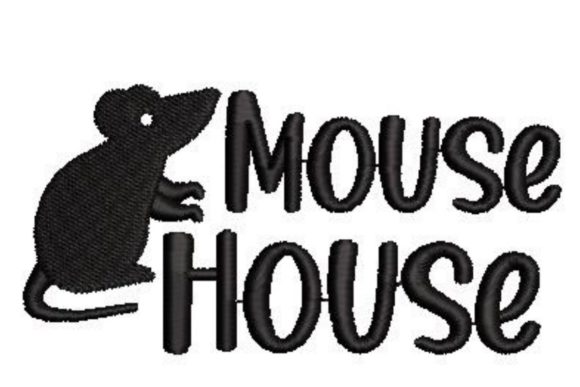
Mouse House: A Designer's Review for Boutique Sweatshirts
As an embroidery designer who has spent years turning digital files into tangible, high-quality garments, I know that the difference between a good design and a great one often lies in the application. Recently, I was tasked with reviewing a new machine embroidery design called Mouse House for a limited drop of premium sweatshirts intended for a small boutique brand. The product description highlights its versatility for home accessories like pillows, but my focus was strictly on apparel: specifically, how this cute design translates to a wearable, commercial-grade hoodie or crewneck.
The prompt describes Mouse House as adding a fun touch, which immediately signals a playful, rustic aesthetic perfect for the current trend of cozy, lifestyle-focused fashion. However, before we even cut the fabric, I had to evaluate whether this design possesses the structural integrity required for sweatshirt embroidery. Unlike delicate linens used for pillowcases, fleece and french terry are thick, textured fabrics that demand a design with sufficient stitch density and clear definition to prevent it from getting lost in the weave.
First Impressions and Design Personality
When I first opened the embroidery file, the mood of Mouse House felt distinctly warm and inviting. It leans heavily into the "Farm" category mentioned in the metadata, suggesting a cottage-core or rustic-chic vibe that resonates well with today's handmade market. For a boutique brand looking to establish a strong identity, this design offers a unique blend of minimalism and charm. It isn't just a generic icon; it feels like a story element.
In terms of layout, the design appears compact enough for chest placement but detailed enough to hold its own on the back of an oversized hoodie. The stitching personality is likely soft yet defined, which is crucial. If the design is too sparse, it will look cheap on dark fabric. If it is too dense, it might create a stiff, uncomfortable lump on the shoulder of a premium sweatshirt. Based on the "fun touch" description, I anticipate a balanced approach that prioritizes readability while maintaining a decorative flair.
Application on Premium Apparel
Imagine placing Mouse House on a neutral oatmeal-colored sweatshirt. The thread colors would pop beautifully, creating a subtle yet sophisticated accent that appeals to the minimalist buyer. This is where the design shines for an Etsy seller targeting customers who want something unique without being overly loud. On a pastel lavender or sage green hoodie, the design would take on a softer, more feminine tone, perfect for seasonal collections during spring or autumn.
However, the true test comes on dark navy or charcoal gray fabrics. Here, the choice of thread colors becomes critical. To ensure the design remains legible and premium-looking, I would recommend using high-contrast metallics or bright whites for the primary elements of the mouse house, perhaps with darker outlines to define the shape against the deep background. This ensures the finished product doesn't look muddy or indistinct.
For an oversized hoodie collection, Mouse House could serve as a statement piece on the back yoke, perhaps accompanied by smaller accents on the sleeve cuff. This kind of strategic placement elevates a basic garment into a custom apparel item that commands higher value. It transforms a standard sweatshirt into a collectible piece of wearable art, which is exactly what modern consumers expect from a boutique brand.
Technical Considerations for Production
Transitioning from a digital preview to a physical reality requires careful attention to technical details. When preparing to digitize or hooped this design for production, several factors must be addressed to guarantee a professional result.
- Stabilizer Choice: Sweatshirts require a heavy-duty cut-away stabilizer to support the weight of the stitches and prevent puckering. A tear-away might not provide enough long-term stability, especially if the design includes dense areas.
- Hoop Size and Placement: Depending on the specific dimensions of Mouse House, you may need to adjust your hoop size. If the design is larger than 4x4 inches, a multi-hooping technique might be necessary to maintain alignment and tension across the entire image.
- Fabric Texture: The nap of the fleece can sometimes swallow fine details. If the design features tiny text or intricate lines, they might disappear once stitched into the fabric pile. In such cases, simplifying the detail or increasing the spacing between stitches is essential.
- Washing Durability: Commercial apparel must withstand repeated washing. The design should be anchored securely to ensure the threads do not snag or unravel over time. High-density satin stitches around the perimeter help lock the design in place.
It is important to note that while the product description mentions "multiple embroidery file formats," it does not specify exact stitch counts or license terms. As a responsible designer, I always advise checking these specifics before committing to a large production run. You need to know if the file includes variations for different machine brands (like .pes, .dst, .exp) and whether the license allows for commercial use on items sold to customers.
Brand Identity and Market Value
Integrating Mouse House into a product line does more than just add a graphic; it builds trust and recognition. For a small shop owner, consistency in design quality is key to customer engagement. A well-executed embroidery job signals that the brand cares about the details, which directly influences buyer trust.
When creating printable mockups for an online listing, Mouse House provides excellent visual assets. Its distinct shape and potential color variations make it easy to visualize on different garments. Whether showcasing it on a lifestyle photo of someone reading a book in a cozy corner or a flat-lay of the sweatshirt folded neatly, the design adds a layer of personality that stock photos lack.
This type of handmade product appeal is particularly effective for the "Farm" aesthetic. It connects the wearer to a sense of nostalgia and simplicity. By offering this design on premium sweatshirts, you are not just selling clothing; you are selling a feeling of comfort and whimsy. This emotional connection is what drives sales in the digital marketplace.
Final Thoughts for Creative Entrepreneurs
If you are an apparel decorator or a creative entrepreneur looking to expand your inventory, Mouse House presents a compelling opportunity. It bridges the gap between a simple novelty print and a sophisticated textile art piece. Its suitability for both home decor and apparel makes it a versatile asset for any business.
To maximize its potential, focus on the finishing touches. Ensure the backing is clean, the edges are trimmed properly, and the garment is pressed correctly after embroidery. These steps elevate the finished product from a craft project to a boutique-ready item. With the right execution, Mouse House can become a signature element of your collection, helping your brand stand out in a crowded market.
Remember, the success of a digital embroidery file depends as much on your production process as it does on the design itself. Take the time to test samples on various fabric types, pay close attention to the stitch density, and always prioritize the feel of the final garment. If done right, this design will not only look cute but will also feel luxurious to wear, ensuring your customers come back for more.