Tiger Paw Print: A Designer's Review for Small Business Merch
As an experienced embroidery designer who has spent years helping small businesses elevate their visual identity, I have seen countless designs come across my desk. Some are intricate works of art, while others are simple yet powerful icons that define a brand. Today, I am reviewing the Tiger Paw Print, a design specifically marketed to help creators make their products seem bold and fierce. This review is not just about the aesthetic appeal; it is about how this machine embroidery design performs in the real world of commercial production, from custom apparel to branded patches.
First Impressions: Bold Personality Meets Professional Utility
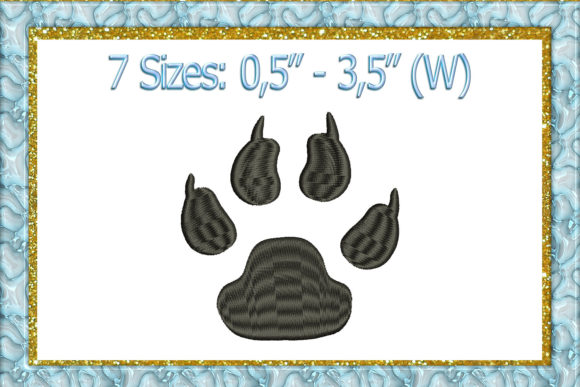
The moment you view the Tiger Paw Print, the description promises a specific energy: "bold and fierce." In the world of branding, these words are gold. For a small business owner, whether running a boutique, a creative studio, or a pet brand, the ability to convey strength without being aggressive is a delicate balance. This design feels modern and dynamic rather than rustic or overly decorative. It strikes a tone that suggests confidence, which is exactly what many handmade brands aim for when they want to stand out on Etsy or in local markets.
Unlike traditional floral or script motifs that dominate the craft space, the Tiger Paw Print offers a graphic edge. It feels premium enough for high-end merchandise but rugged enough for workwear. The design assets provided are versatile, allowing them to be used as a standalone statement or as a subtle accent. However, the success of this design relies heavily on execution. A bold motif requires clean lines and precise placement to avoid looking cluttered or amateurish.
Real-World Applications for Small Business Merch
When evaluating the Tiger Paw Print for actual production, its versatility shines. I have analyzed how this embroidery file would perform across various product categories essential for small business growth.
- Embroidered Patches: One of the most popular uses for this design is creating custom patches. Whether applied to denim jackets, backpacks, or hats, a tiger paw print serves as a striking focal point. The sharp angles of the paw translate well into patch form, offering a durable badge of honor for staff or customers.
- Staff Uniforms and Aprons: For bakeries, cafes, or florists, adding a unique logo element can unify a team. Placing the Tiger Paw Print on the chest of an apron or the sleeve of a work shirt adds a layer of personality. It transforms a standard uniform into a branded experience, signaling that the business cares about details.
- Caps and Hats: Cap embroidery often requires compact designs. The Tiger Paw Print is ideally suited for the front panel of a cap, where it can sit cleanly without distorting the fabric curvature. It creates an instant visual hook for passersby.
- Tote Bag Designs: Canvas tote bags are a staple for craft fairs and online shops. A large-scale embroidered patch of the paw print on a tote bag acts as a walking advertisement. It is functional, stylish, and reinforces the brand every time the customer carries it.
- Product Packaging Accents: Imagine a small box for jewelry or a bakery item featuring a tiny Tiger Paw Print stitched onto a fabric tag. This level of detail elevates the perceived value of the finished product, making the unboxing experience feel more luxurious and intentional.
Strategic Brand Identity and Customer Trust
Visual consistency is the backbone of a trustworthy brand. When a customer sees the same bold imagery on a cap, a tote, and a product label, it builds recognition. The Tiger Paw Print helps establish a brand identity that is memorable and distinct. In a crowded marketplace, customers are drawn to businesses that look professional. A poorly executed logo can erode trust, but a well-stitched, high-quality design like this one signals reliability.
Furthermore, this design engages buyers by appealing to emotions associated with the animal kingdom—strength, agility, and wildness. For a pet brand, this connection is immediate and powerful. For a fitness or outdoor gear shop, it resonates with the active lifestyle of the target audience. By using this design asset, you are not just selling a product; you are selling a vibe.
Where to Exercise Caution: Technical Considerations
While the potential is high, an experienced designer must always consider the limitations of embroidery technology. There are specific scenarios where the Tiger Paw Print might require careful handling or alternative approaches.
Small Patch Sizes: If you attempt to shrink this design down to a very small size, such as a 1-inch button or a tiny keychain tag, the details may become lost. High stitch density can cause the fabric to pucker, ruining the shape of the paw. Always test the design at the intended final size before committing to a full run.
Curved Surfaces: Embroidering on curved surfaces like cap fronts or rounded containers requires a specialized hoop and stabilizer. Without proper tension control, the stitches may distort, causing the paw print to look uneven. The design's sharp points are particularly vulnerable to stretching on tight curves.
Fabric Texture and Color: Dark uniforms or textured fabrics like heavy canvas can hide the definition of the design. If the thread colors do not provide enough contrast against the background, the "bold" nature of the Tiger Paw Print will be diminished. Additionally, items that undergo frequent industrial washing may see the edges of the design fray if the underlay is not sufficient.
Practical Notes for the Embroidery Designer
Before integrating the Tiger Paw Print into your commercial workflow, follow these essential steps to ensure a professional outcome:
- Test in Black and White: Convert the digital embroidery file to grayscale first. This helps you visualize the stitch density and spacing without the distraction of color. You need to ensure the negative space is balanced.
- Check File Formats: The product description mentions multiple file formats. Verify that your specific embroidery machine can read the provided files. Compatibility issues can lead to costly errors during production.
- Review Thread Colors: Select thread colors that pop. Metallic threads can add a premium touch, but standard polyester threads offer better durability for high-wear items like aprons and caps.
- Inspect Spacing and Hoop Size: Ensure the design fits within your available hoop size. If the design is too large, you may need to split the embroidery, which can result in visible seam lines.
- Use Proper Stabilizer: The stability of the fabric is paramount. Use cut-away stabilizers for stretchy fabrics like t-shirts or caps to prevent the design from warping over time.
- Create a Mockup: Before stitching the final piece, create a printable mockup or a sample swatch. Show this to clients for approval to manage expectations regarding the final look.
- Confirm Commercial Licensing: This is critical. Even though the design is available for purchase, you must confirm that your license allows for commercial use, such as selling items with the embroidered logo. Do not assume rights; check the terms explicitly.
Final Verdict on the Design
The Tiger Paw Print is a strong contender for small business owners looking to add a touch of fierceness to their inventory. It bridges the gap between playful decoration and serious brand identity. Whether you are an Etsy seller looking to boost your product value or an apparel decorator seeking a reliable accent design, this embroidery file offers significant potential.
However, success lies in the preparation. By testing the design on real fabric, verifying the stitch density, and ensuring proper licensing, you can turn a simple digital file into a high-value physical product. Remember, the goal is to create a finished product that reflects pride in your craft. With the right execution, the Tiger Paw Print can become a signature element of your brand, recognized and respected by your customers.