An Old Truck: A Designer's Real-World Review
When I first opened the file for An Old Truck, I didn't just see a graphic; I saw a mood. It immediately evoked that warm, nostalgic feeling of driving down a country road with the windows down, smelling cut grass and old asphalt. As someone who has spent years evaluating digital assets for both personal hobbies and commercial boutique lines, my first instinct is to look past the pretty picture and ask: does this actually stitch out well? Will it hold up after a few washes? And most importantly, will my customers love wearing or displaying it?
This design falls squarely into the Transportation category, but its appeal stretches far beyond just vehicle enthusiasts. The description promises something "cool and simple," and in the world of machine embroidery, simplicity is often the hardest thing to achieve without losing impact. After mentally mapping this out against various production scenarios, here is my honest breakdown of how An Old Truck performs as a practical asset for your next creative project.
The First Stitch: Visual Personality and Mood
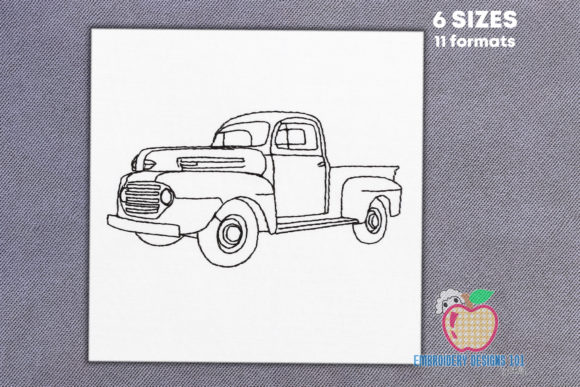
The visual personality of An Old Truck is distinctively rustic. It doesn't scream for attention like a flashy sports car design might; instead, it whispers with character. For a designer looking to build a cohesive brand identity, this piece offers a grounded aesthetic that fits perfectly with farmhouse themes, vintage aesthetics, and Americana styles. The layout appears balanced enough to work on a variety of surfaces without feeling cramped or overly sparse.
I imagine this design not just as a decoration, but as a statement of values. It suggests durability, hard work, and a connection to the past. When you are creating a handmade product, that narrative is crucial. Customers aren't just buying an embroidered patch or a printed shirt; they are buying into the story behind the image. This design tells a story of reliability and classic charm, which resonates deeply with buyers looking for authentic, non-generic items.
Real-World Application: From Tote Bags to Nursery Decor
Let's talk about where this design truly shines in a real-life scenario. Recently, I was brainstorming a custom line for a local craft fair focused on "Modern Farmhouse" living. My initial thought was a standard floral arrangement, but I wanted something more unique. That is when An Old Truck came to mind. I visualized stitching it onto a heavy-duty canvas tote bag. The rugged nature of the truck design would complement the sturdy fabric perfectly, creating a functional accessory that feels artisanal rather than mass-produced.
But the versatility doesn't stop there. Because the design is described as "simple," it translates beautifully to smaller, more intimate projects. Imagine a tiny version stitched onto a baby onesie or a soft cotton bib. The rounded shapes of the truck wheels and body translate well to delicate fabrics, provided the stitch density isn't too high. It also works exceptionally well on kitchen towels. There is something inherently cozy about seeing a vintage truck motif hanging in a sunlit kitchen, adding a touch of whimsy to daily chores.
For those running an Etsy shop or a small business, this design is a goldmine for personalized gifts. You could offer a service where clients add their own initials or a family name near the truck, turning a generic image into a cherished heirloom. Whether it is a holiday gift for a grandfather who loves his old pickup or a wedding present for a couple moving to a rural property, the emotional connection is immediate. It fits seamlessly into categories like holiday embroidery, personalized gifts, and small shop products.
Where Caution is Required: Fabric and Structure
While An Old Truck is versatile, no single design is a magic bullet for every situation. As an experienced reviewer, I need to point out where this design might struggle if you don't adjust your technique. If you are planning to use this on a stretchy fabric like a thin jersey t-shirt, you must be extremely careful with your stabilizer choice. Without proper support, the fill stitches can pucker, distorting the shape of the truck and ruining the clean lines that make the design so appealing.
Similarly, if you intend to place this on a curved surface like a baseball cap, the curvature of the brim can distort the perspective. A design that looks perfect flat might look stretched or squashed once hooped on a curved form. In these cases, you might need to resize the design slightly or choose a different angle. Also, consider the thread colors. On dark fabric, light-colored outlines might get lost, making the details of the truck disappear. Always test your thread colors against your specific fabric texture before committing to a full production run.
Another area to watch is the stitch density. If the original file has very dense areas, it may not lay flat on textured fabrics like wool or thick denim. Dense stitches can create a stiff spot that feels uncomfortable to wear or touch. If the goal is a soft, tactile finish, you might want to reduce the density slightly or ensure you are using a high-quality tear-away stabilizer to prevent the fabric from bunching up under the needle.
Professional Notes for the Savvy Designer
If you are serious about using An Old Truck for commercial purposes, there are a few technical steps you cannot skip. First and foremost, always test the design on scrap fabric. This is non-negotiable. You need to see how the satin stitch edges behave and whether the running stitch or fill stitch sections catch properly on your specific machine.
Check the hoop size requirements carefully. If the design is large, you will need a larger hoop, which limits where you can place it on a garment. If you are working with a small hoop, ensure the details of the truck remain legible and do not become muddy blobs of thread. Inspect the small details closely; sometimes, fine lines can break apart during the digitizing process if the file wasn't optimized correctly.
Before listing this as a finished product on your website or selling the digital embroidery file itself, confirm the licensing terms. Are you allowed to sell the finished item? Can you modify the design? These questions determine whether you can build a sustainable business around this asset. If you are creating printable mockups for your shop, make sure the digital preview accurately reflects how the threads will actually look, avoiding over-saturation that misleads the buyer.
Final Verdict on Value and Appeal
Ultimately, An Old Truck succeeds because it balances nostalgia with modern utility. It creates a sense of trust and professionalism that is essential for Etsy sellers and creative entrepreneurs. A well-executed embroidery project elevates the perceived value of a product, making a simple tote bag feel like a luxury item. When customers see a clean, well-stitched design like this, they assume the entire product was made with care.
It is a strong addition to any library of design assets for those looking to expand into custom apparel, embroidered patches, or home decor. However, success depends on your ability to adapt the design to the medium. By respecting the limitations of the fabric and taking the time to test your setup, you can turn this cool, simple concept into a standout finished product that brings joy to your customers and credibility to your brand.