Poodle Pocket Review: A Designer's Take on Real-World Embroidery
As someone who has spent years reviewing machine embroidery designs for both personal hobbies and commercial ventures, I approach every new download with a mix of excitement and skepticism. The market is flooded with cute graphics that look great in digital previews but fail miserably when stitched out on actual fabric. Today, I am evaluating the Poodle Pocket design to determine if it holds up under the pressure of real-world application. This isn't just about whether the file opens correctly; it is about how this piece will perform when sewn onto a custom sweatshirt, a delicate baby onesie, or a high-volume tote bag for an Etsy shop.
First Impressions: Mood and Visual Personality
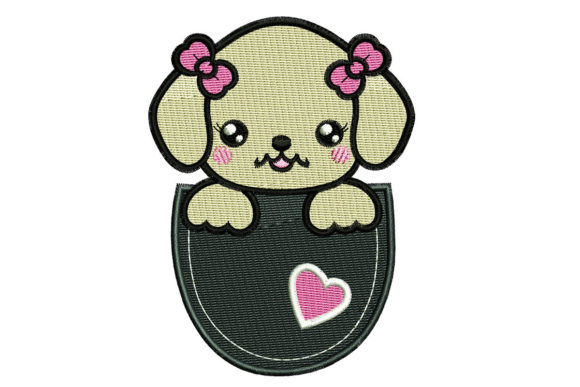
The moment you open the Poodle Pocket file, the mood is immediately established. It radiates a sense of playful nostalgia without feeling dated. The layout centers around a charming dog motif tucked into a pocket shape, creating a focal point that feels intimate and inviting. Unlike many generic animal designs that can feel stiff or overly detailed, this piece relies on clean lines and a friendly silhouette. It creates a "sweet little accent" as the description promises, making it perfect for projects where you want to add personality without overwhelming the garment.
Visually, the design balances simplicity with enough texture to hold interest. It feels like something that belongs on casual wear rather than formal attire. The concept of a "pocket" adds a layer of whimsy, suggesting a hidden treasure or a cozy companion. For a designer looking to build a cohesive collection, this piece offers a versatile anchor that can be paired with various fonts or additional elements. It screams "handmade product" and "personalized gift," two categories where emotional connection drives sales.
Real-Life Application: From Digital File to Finished Product
To truly test the viability of this design, I imagine it being used in a specific scenario: preparing a batch of custom embroidered tote bags for a local craft fair. These bags are often made from heavy canvas or cotton duck, fabrics that require stability and clear stitch definition. When I visualize Poodle Pocket stitched onto these bags, the imagery suggests a design that stands up well to the rougher texture of the material.
However, the potential uses extend far beyond totes. Consider a boutique owner launching a holiday gift line. This design could be transformed into a festive apron for a kitchen set or a patch for a winter coat. The versatility here is key for small business owners and Etsy sellers who need to maximize their inventory without buying dozens of different files. The design works beautifully on hoodies and jackets, offering a fun break from standard logos. For those creating baby embroidery, the soft theme fits perfectly on nursery decor or blanket borders, provided the stitch density is appropriate for sensitive skin.
In the realm of commercial embroidery, the design's clarity is a major asset. Customers browsing a catalog want to see crisp details even in small thumbnail images. Because Poodle Pocket focuses on a single, strong character, it translates well across different mediums. Whether it is printed on a printable mockup for a website or stitched onto a finished item, the visual appeal remains consistent. This consistency builds customer trust and enhances brand perception, signaling that the maker cares about quality.
Where Caution Is Required
While the design is charming, no single file is a universal solution. There are specific scenarios where Poodle Pocket requires careful consideration. If you are working with a very small hoop size, such as one meant for a cap or a tiny hat, you must evaluate the scale of the pocket detail. Tiny lettering or intricate corners within the design might get lost or distort when compressed into a limited space.
Fabric choice plays a critical role in the final outcome. On stretchy fabrics like jersey knits, the tension required for a design like this can cause puckering if not stabilized correctly. Similarly, thin fabrics may not support the weight of the stitches, leading to a distorted look. Dark fabrics present another challenge; unless you plan to use a high-quality underlay or a contrasting thread color, the design might lack the pop needed to stand out against a black or navy background. In these cases, testing on scrap fabric first is non-negotiable.
Additionally, items that undergo frequent washing, such as work aprons or children's clothing, demand durable stitching. If the stitch density is too low, the design might wear down quickly. Conversely, if it is too dense, it could make the fabric stiff and uncomfortable. Designers must weigh the aesthetic goals against the functional requirements of the final product.
Practical Designer Notes for Success
Before committing to a full production run, there are several technical steps every professional should take. First, always check the hoop size recommendations provided by the creator. If they are missing, you will need to experiment to find the right balance between coverage and stability. Review the stabilizer requirements carefully; a tear-away might work for light garments, while a cut-away is essential for heavier items like denim jackets.
Thread color selection is another area where attention pays off. Test the design using different thread palettes to ensure the contrast works on your intended fabric. A dark outline on a dark shirt might disappear, ruining the visual impact. It is also wise to inspect the design in black and white mockups to verify that the shapes remain distinct without relying solely on color differences.
For those planning to sell finished items or digital assets, confirming the licensing terms is vital. Does the purchase allow for commercial use? Can you resell the embroidery file itself? These questions determine the profitability of your project. Always read the fine print to avoid legal issues later.
Finally, consider the overall presentation. A well-stitched Poodle Pocket on a high-quality garment elevates the perceived value of the entire product. It shows that the maker understands the nuances of applique design techniques, satin stitch execution, and fill stitch placement. By paying attention to these details, you transform a simple digital file into a tangible piece of art that customers will cherish.
In conclusion, Poodle Pocket is a solid addition to any library of design assets. It offers a blend of charm and practicality that serves both hobbyists and professionals well. With proper preparation and an eye for detail, this design can become a staple in your portfolio, helping you create memorable custom apparel and unique gifts that resonate with buyers.