Papercrafting Design Review for Small Business Merch
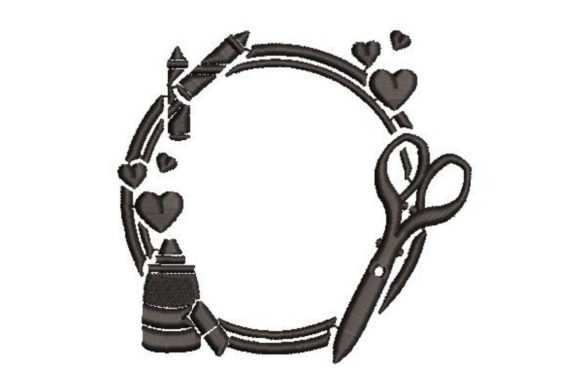
As an experienced embroidery designer who has spent years translating digital concepts into tangible brand assets, I approach every new file with a critical eye. Today, I am reviewing the Papercrafting machine embroidery design. While the product description suggests this is a way to mark your favorite hobby and create splendid decoration, my focus is strictly on its viability as a commercial tool. Can this design elevate small business merch, serve as a durable embroidered patch, or function effectively as a logo accent on custom apparel? Let's dive into the practical realities of using Papercrafting in a professional setting.
First Impressions: Personality and Visual Tone
The name Papercrafting immediately evokes a sense of tactile creativity. When paired with a description promising to add style and create splendid decorations, the design likely leans towards a rustic, handmade, or playful aesthetic. For a small business owner, this visual personality is a double-edged sword. If you run a boutique stationery shop, a creative studio, or a local bakery that prides itself on artisanal packaging, Papercrafting could be the perfect fit. It feels friendly and accessible rather than corporate and rigid.
However, if your brand identity relies on sleek minimalism or high-end luxury, this design might feel too decorative. The core question is whether the design communicates professionalism or just craftiness. In the world of commercial embroidery, the difference lies in execution. A well-executed Papercrafting design can signal quality and attention to detail, turning a simple tote bag into a branded asset that customers actually want to keep.
Real-World Applications for Small Business Assets
Imagine a scenario where a local café wants to launch a line of merchandise. They need staff uniforms, aprons, and perhaps branded tote bags for their coffee beans. This is where the embroidery file comes into play. Papercrafting could work beautifully as a chest logo accent on a work shirt, adding a touch of whimsy that aligns with a cozy cafe atmosphere. Alternatively, it could serve as the central motif on a sturdy canvas tote bag, acting as a walking advertisement for the brand.
For Etsy sellers and digital file buyers, this design offers versatility. It can be adapted into a standalone embroidered patch for denim jackets or backpacks, creating a unique selling point for handmade products. A florist might use it on product packaging accents, while a pet brand could incorporate it into a label for organic treats. The design's potential extends to event merch for workshops, allowing participants to take home a piece of the experience.
The key to success here is integration. Papercrafting should not just be slapped onto an item; it must feel like an intentional part of the brand's narrative. When used correctly, it enhances the perceived value of the finished product, making customers feel they are buying something special and thoughtfully designed.
Critical Considerations for Production and Durability
While the artistic potential is clear, we must address the technical constraints of commercial production. Not every design works on every surface. If you plan to use Papercrafting for cap embroidery, you need to be wary of curved surfaces. Complex details often get lost when stitched onto the tight curve of a baseball cap front. Similarly, if the design features tiny lettering or intricate outlines, it may become muddy at smaller sizes.
Stitch density is another crucial factor. Designs with high stitch counts can look great on a flat screen but may cause fabric puckering on thin materials like lightweight cotton or sheer fabrics. For items that require frequent washing, such as staff uniforms or aprons, the stability of the design is paramount. If the thread colors lack sufficient contrast against dark uniforms, the design will disappear, failing its purpose as a brand identifier.
Furthermore, textured fabrics can obscure fine details. If you are working with heavy canvas or boucle wool, the raised texture of the embroidery might clash with the fabric weave. Before committing to a large production run, it is essential to test the design on the actual material you intend to use. This ensures that the finished product meets the quality standards expected by your customers.
Building Brand Identity Through Embroidery
Embroidery is more than just decoration; it is a powerful tool for building brand identity. A consistent, high-quality embroidered logo fosters customer trust and recognition. When a customer sees a crisp, well-stitched Papercrafting design on a tote bag or apron, it signals that your business cares about details. This attention to quality translates into a perception of higher product value.
In the competitive landscape of handmade products and small business merch, visual consistency is key. Your embroidered assets should complement your other design elements, from your website graphics to your social media posts. If Papercrafting fits seamlessly into your existing visual language, it strengthens your brand message. Conversely, if it feels out of place, it can dilute your professional image. Therefore, evaluating how this design interacts with your overall brand strategy is vital before production.
Practical Designer Notes for Commercial Use
Before you start stitching, there are several steps every professional should take to ensure success. First, test the design in black and white. This helps you visualize the stitch flow and density without the distraction of color. Next, check if the design holds up at a small patch size. Often, designs that look impressive at 4x4 inches lose their impact when scaled down to 2 inches.
Review your thread color choices carefully. High contrast is usually necessary for visibility, especially on darker garments. Inspect the spacing within the design to ensure no elements are too close together, which can lead to thread breaks or fabric distortion. Confirm the recommended hoop size and ensure your embroidery machine can accommodate it comfortably. Using the proper stabilizer is non-negotiable; it provides the foundation needed to prevent puckering and maintain the integrity of the digital embroidery file.
Create a printable mockup for client approval. This allows stakeholders to see how the design looks in context before any physical production begins. Compare the Papercrafting design alongside your other design assets to ensure it complements rather than competes with them. Finally, and most importantly, confirm your commercial licensing terms. Ensure you have the legal right to use this design on products you intend to sell, whether for internal branding or resale.
If specific details regarding stitch count, file format, or exact license terms were not provided in the initial product listing, do not guess. Contact the provider or check the documentation thoroughly. Missing these details can lead to costly production errors or legal issues down the line.
Conclusion: Is Papercrafting Right for Your Business?
The Papercrafting design offers a charming option for businesses looking to add a handmade touch to their merchandise. From staff aprons to customer gifts, its potential is significant. However, success depends on rigorous testing and strategic application. By understanding its limitations and leveraging its strengths, you can transform a simple embroidery file into a powerful component of your brand's visual identity. Whether you are an Etsy seller, a boutique owner, or a merch creator, taking the time to evaluate this design professionally will pay off in the quality and reception of your final products.