Puppy Shiba Embroidery Review
As an experienced embroidery designer who spends hours testing digital files before putting them on the hoop, I recently came across Puppy Shiba on Creative Fabrica. Before adding it to my commercial library or using it for a client order, I needed to see if this design truly delivered on its promise of adding character to handmade creations. After reviewing the visual mood and considering its potential application in real-world projects, here is my honest evaluation of whether this machine embroidery design is worth your time and investment.
First Impressions: Visual Mood and Design Personality
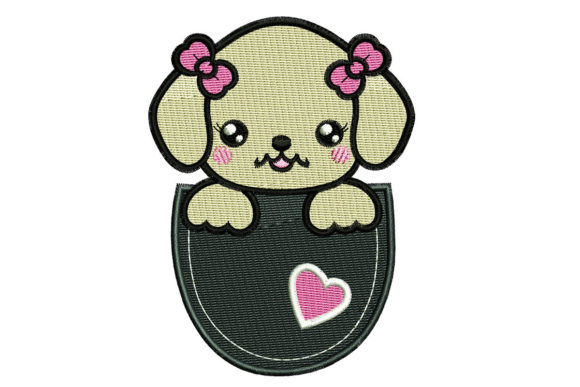
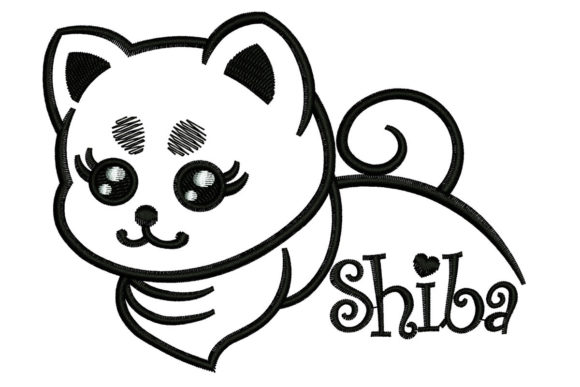
The moment you open the preview for Puppy Shiba, the immediate feeling is one of warmth and approachability. In the world of Dogs embroidery, there are many designs ranging from hyper-realistic portraits to abstract silhouettes. This file takes a different route by focusing on adorable character work. The visual appeal suggests a playful, soft energy that fits perfectly with modern trends in nursery decor and boutique apparel.
From a design perspective, the layout appears balanced. It does not look cluttered, which is often a pitfall when dealing with cute animal motifs. The lines suggest a clean aesthetic that would translate well onto various surfaces. Whether you are looking at a mockup for a tote bag design or a sweatshirt embroidery project, the shape of the puppy stands out without overwhelming the garment. It feels like a design that invites interaction, making it an excellent choice for personalized gifts where the recipient can instantly connect with the subject matter.
Real-World Application: From Digital File to Finished Product
When evaluating a digital embroidery file for commercial use, the question always becomes: "Where will this actually shine?" Based on the description provided, Puppy Shiba is versatile enough to handle a wide range of products. I envision this design performing exceptionally well on shopper bags, hoodies, and jackets, where the cute motif adds a pop of personality to otherwise plain items.
For those selling on Etsy or running a small business, this design offers significant value. Imagine listing a set of embroidered patches featuring this Shiba puppy; they would likely attract attention from dog lovers looking for unique accessories. Similarly, applying this to baby blankets or kitchen towels could create high-demand seasonal items. The design's charm makes it highly giftable, increasing the perceived value of your finished product. When customers see a well-executed embroidery file on a handmade product, their trust in your craftsmanship increases immediately.
Furthermore, for digital product sellers, having a clean image of this design allows for creating attractive printable mockups. You can showcase how the design looks on a pillow cover or a cap, helping potential buyers visualize the final result before purchasing. This visual clarity is crucial for driving engagement and sales in competitive marketplaces.
Practical Considerations for Stitching Success
While the concept is lovely, the execution depends heavily on technical details. As a professional, I must advise caution regarding specific production factors. If you plan to use this for custom apparel, particularly on stretchy fabrics like hoodies or t-shirts, you need to ensure the stitch density is appropriate. Too much density on a stretchy material can cause puckering, while too little might result in a flimsy finish.
Another critical factor is the hoop size. Many cute designs are optimized for smaller hoops, which limits the area you can embroider. If Puppy Shiba is intended for larger items like a full-size sweatshirt or a large tote bag, you may need to check if the design requires multiple hooping sessions. For curved surfaces like caps, the design's curvature and stitch direction must be compatible with the hat's shape to avoid distortion.
Textured fabrics and dark materials also present challenges. On dark fabric, thread color contrast becomes paramount. If the design relies on fine details or light-colored threads, they might get lost against a black background unless a specific underlay or contrasting thread palette is used. Additionally, for items that require frequent washing, such as aprons or kitchen towels, the stability of the stitches is vital. Dense fill stitches generally hold up better than sparse running stitches in these scenarios, but you should verify the stitch types included in the file.
Technical Checklist for Your Workflow
Before committing to a production run, I recommend following these practical steps to ensure quality:
- Test on Scrap Fabric: Always run a test stitch on a scrap piece of the same fabric you intend to use. This reveals how the material reacts to the stabilizer and the design's tension.
- Check Thread Colors: Compare your chosen thread colors against the design. Ensure there is sufficient contrast, especially for small details like eyes or nose.
- Review Stitch Density: Inspect the fill areas. High-density areas can sometimes look muddy if the fabric is thin, so adjust your stabilizer choice accordingly.
- Confirm Hoop Size: Verify the maximum dimensions of the design to ensure it fits your intended product without requiring complex repositioning.
- Inspect Small Details: Zoom in on the digital preview to see if tiny elements like whiskers or fur texture are likely to break down during stitching.
Impact on Brand Consistency and Customer Trust
In the handmade sector, presentation is everything. A well-executed embroidered patch or a neatly stitched logo on a tote bag elevates your brand perception. Using a high-quality design like Puppy Shiba signals to your customers that you care about detail. It contributes to a cohesive brand identity, whether you are selling boutique merchandise or seasonal gifts.
However, consistency is key. If the design looks great in a mockup but fails to stitch cleanly due to poor stabilization or incorrect settings, it can damage buyer trust. Therefore, understanding the technical requirements of the file is just as important as the artistic vision. By taking the time to review the file details and licensing terms on the Creative Fabrica product page, you protect your reputation as a reliable seller.
Final Thoughts on Value and Suitability
Ultimately, Puppy Shiba appears to be a strong candidate for anyone looking to add a touch of cuteness to their embroidery portfolio. Its versatility spans from personal projects to commercial ventures, making it a valuable asset for creative entrepreneurs. Whether you are designing a nursery collection, creating custom apparel for a local shop, or crafting unique gifts for friends, this design has the potential to enhance your output significantly.
Remember, the success of any machine embroidery design lies in the preparation. By checking the file specifics, selecting the right stabilizer, and testing on scrap fabric first, you can transform a simple digital file into a stunning finished product. If the technical specs align with your equipment and goals, this design is definitely worth downloading and experimenting with for your next creative endeavor.